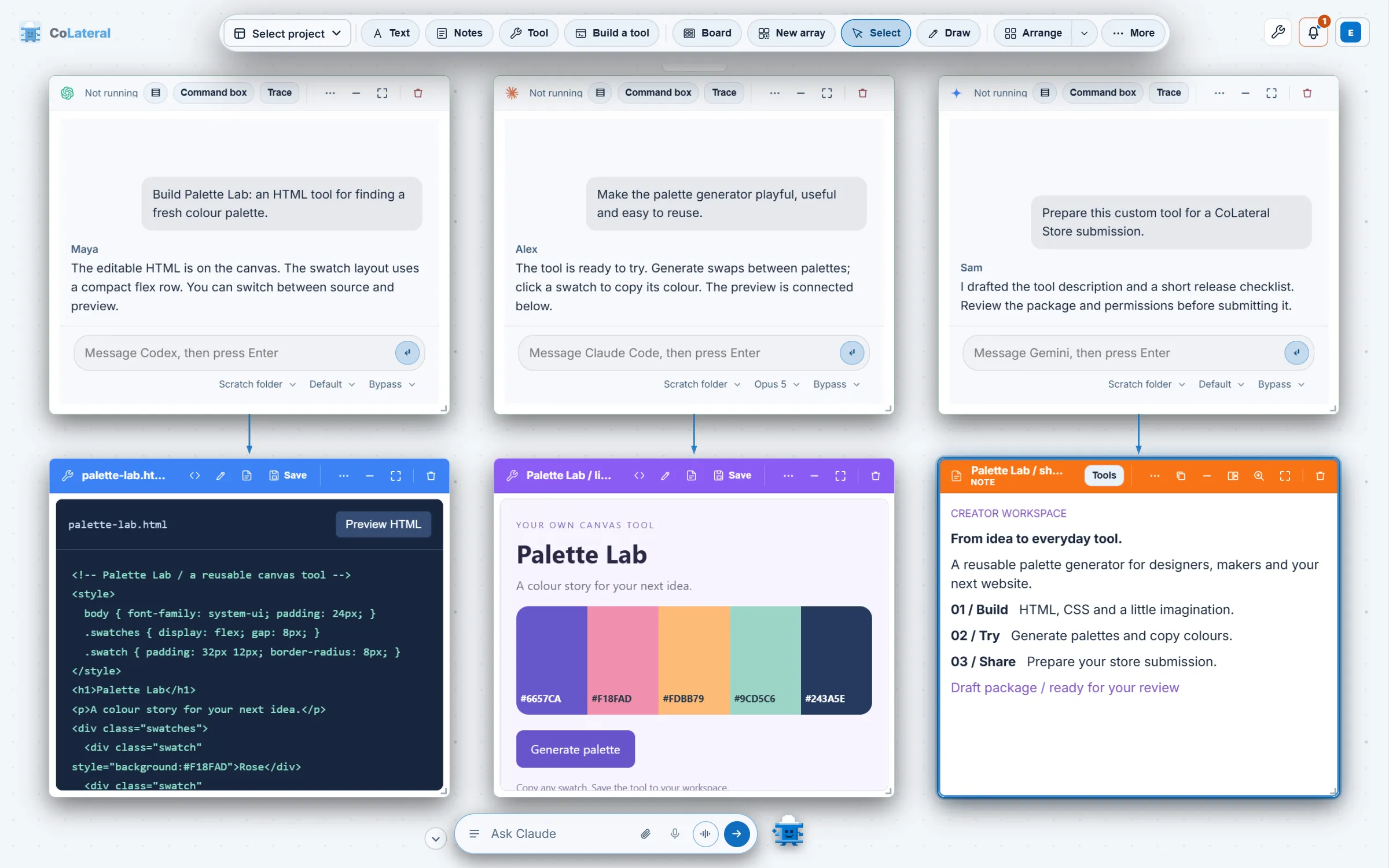
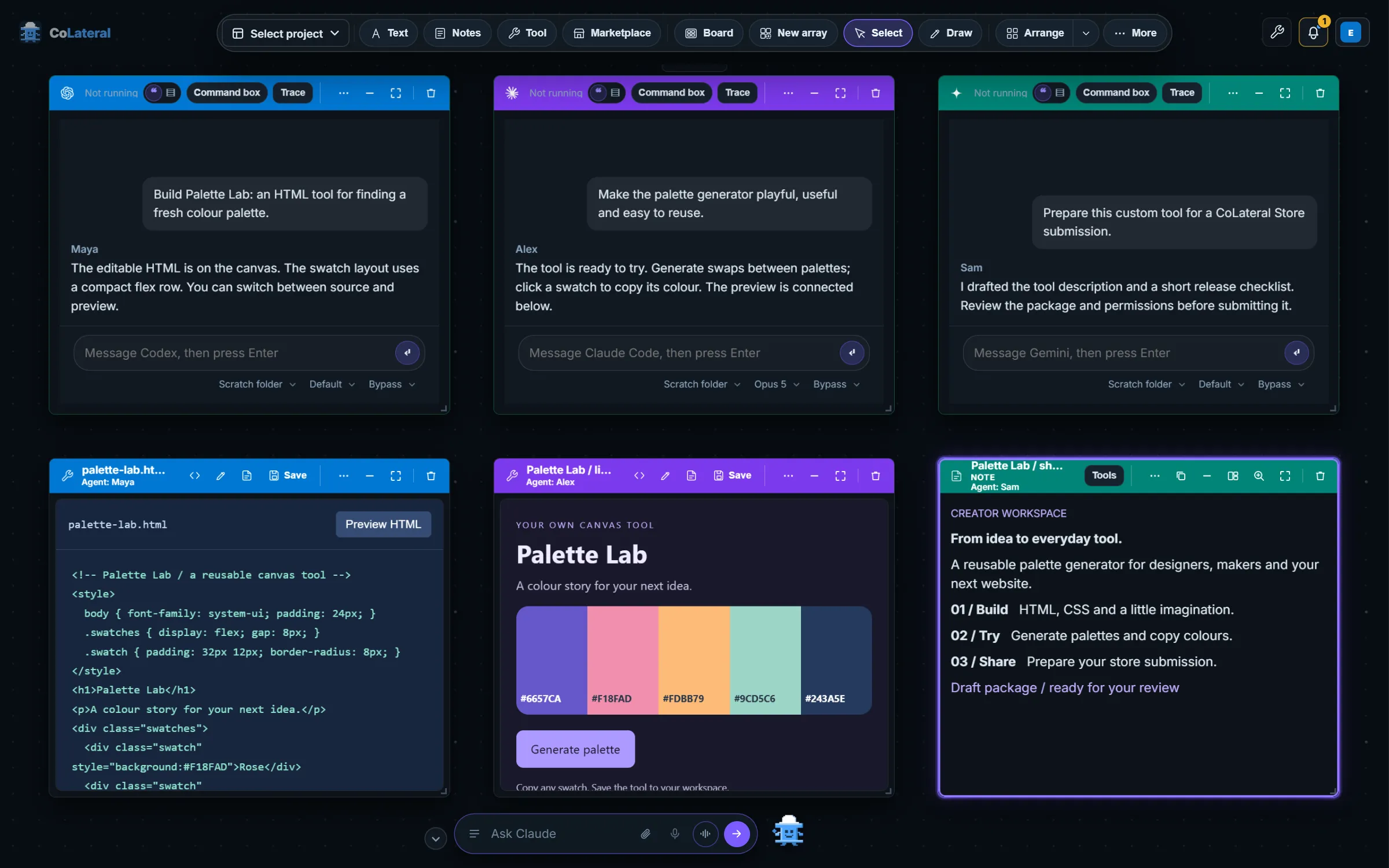
Models and agents
Every AI agent CoLateral runs, and how each got there
CoLateral runs Claude Code, OpenAI Codex, Gemini, Grok Build, Copilot and more on your own accounts. See each agent, when it arrived and what it changed.
Author
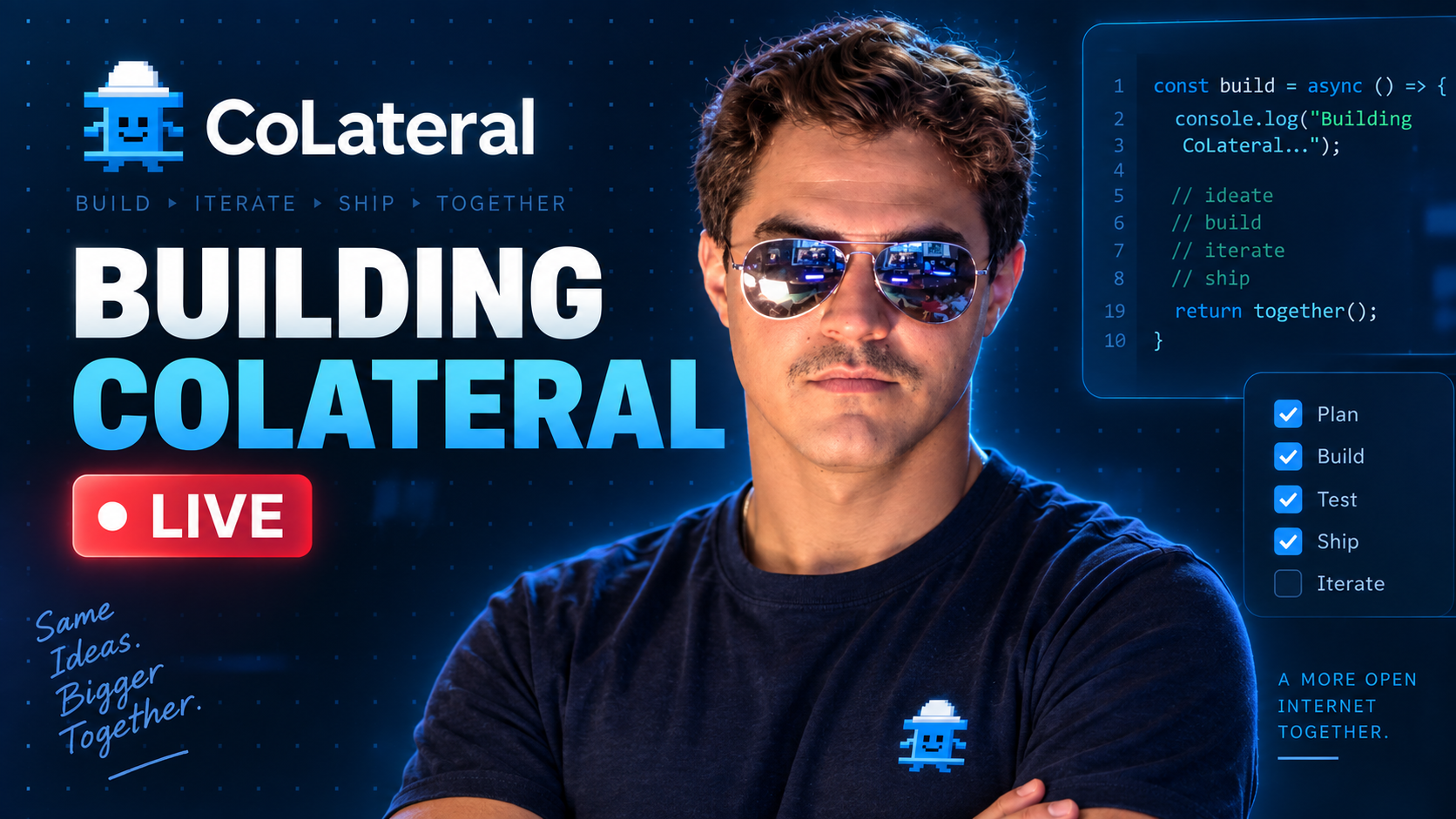
Nic Vandewetering is the founder of CoLateral and builds the workspace in public, often live on YouTube. These posts record what changed and why.
Models and agents
CoLateral runs Claude Code, OpenAI Codex, Gemini, Grok Build, Copilot and more on your own accounts. See each agent, when it arrived and what it changed.
Founder notes
CoLateral is built in public: day-numbered YouTube livestreams, posts on X and small desktop releases. Here is how it works and how to join in.
Models and agents
In October 2026 CoLateral added cloud agent cards for ChatGPT, Claude Code, Gemini Deep Research and Jules. See how they work, their limits and what you bring.
Packs and modules
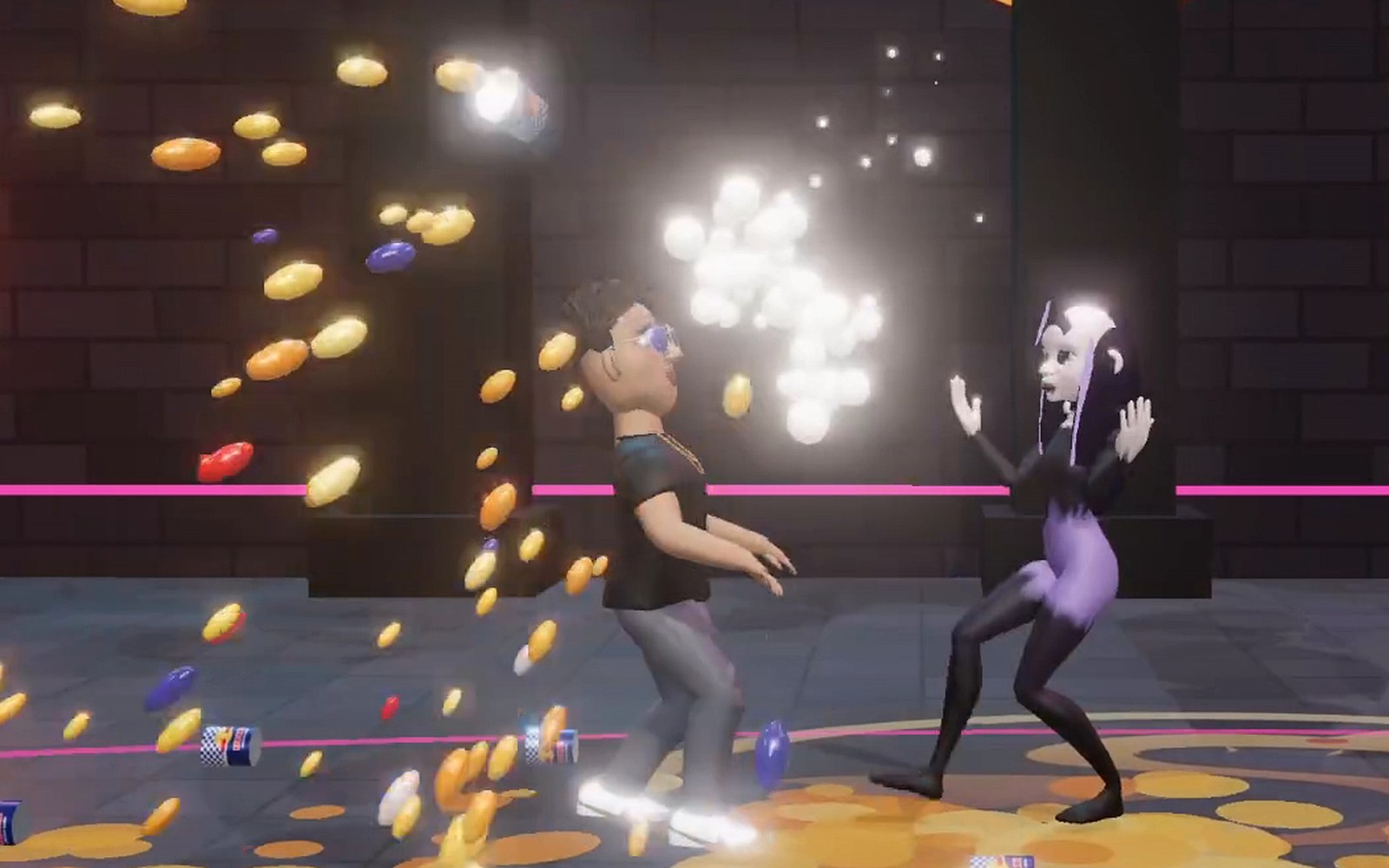
CoLateral Arcade is the built-in games module for the CoLateral canvas: a 3D arcade built with AI agents, how to open it, switch it off and play for free.
Packs and modules
What a CoLateral expansion pack is, how it differs from the workspace you buy once, which modules exist today and how buying one works.
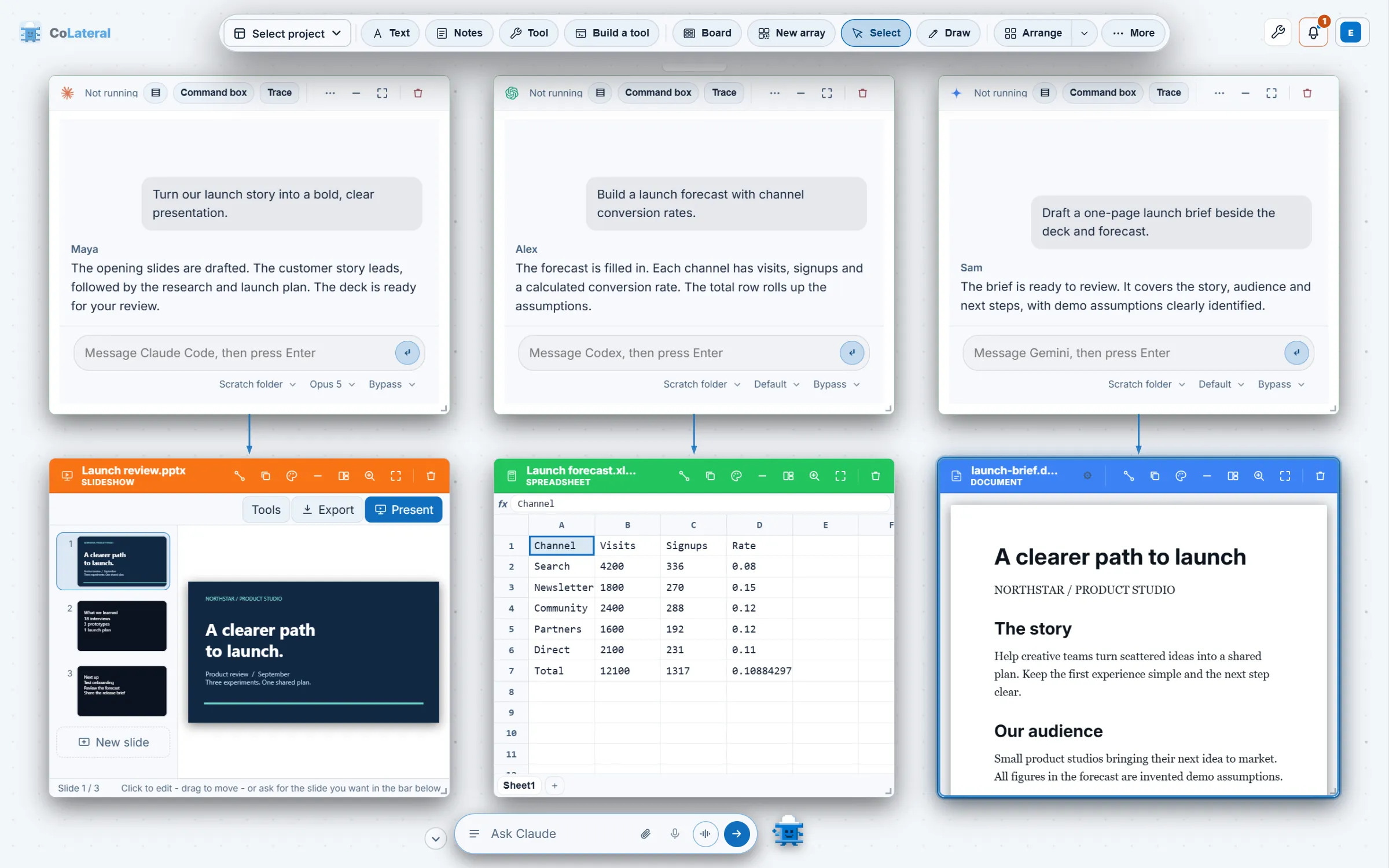
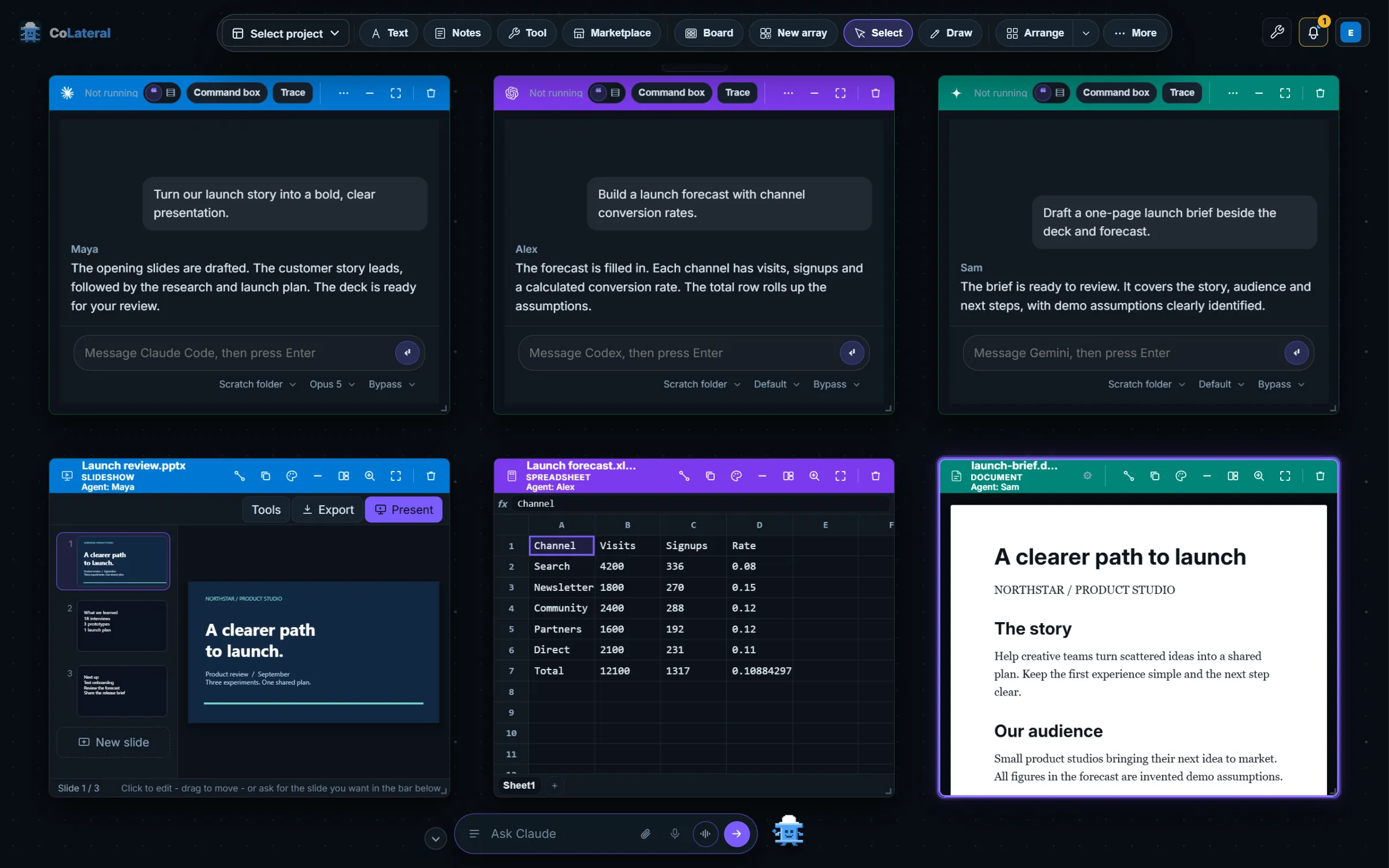
History
How CoLateral became a desktop app: the Tauri shell, the website split on 2026-07-26, a closed beta and releases 1.0.1 to 1.0.9 for Windows, macOS and Linux.
Packs and modules
CoLateral Marketing (the Social Media Pack) puts scheduling, a publishing pipeline, connected accounts and analytics in one card on the CoLateral canvas.
History
How CoLateral began: a first commit on 2025-09-29, a gap, then from 2026-05-08 a dashboard of tools, a public website and the first AI runtime.
Product updates
CoLateral release notes for 2026: what changed in desktop 1.0.71 and each release back to 1.00, with dates, plus how signed updates reach your machine.
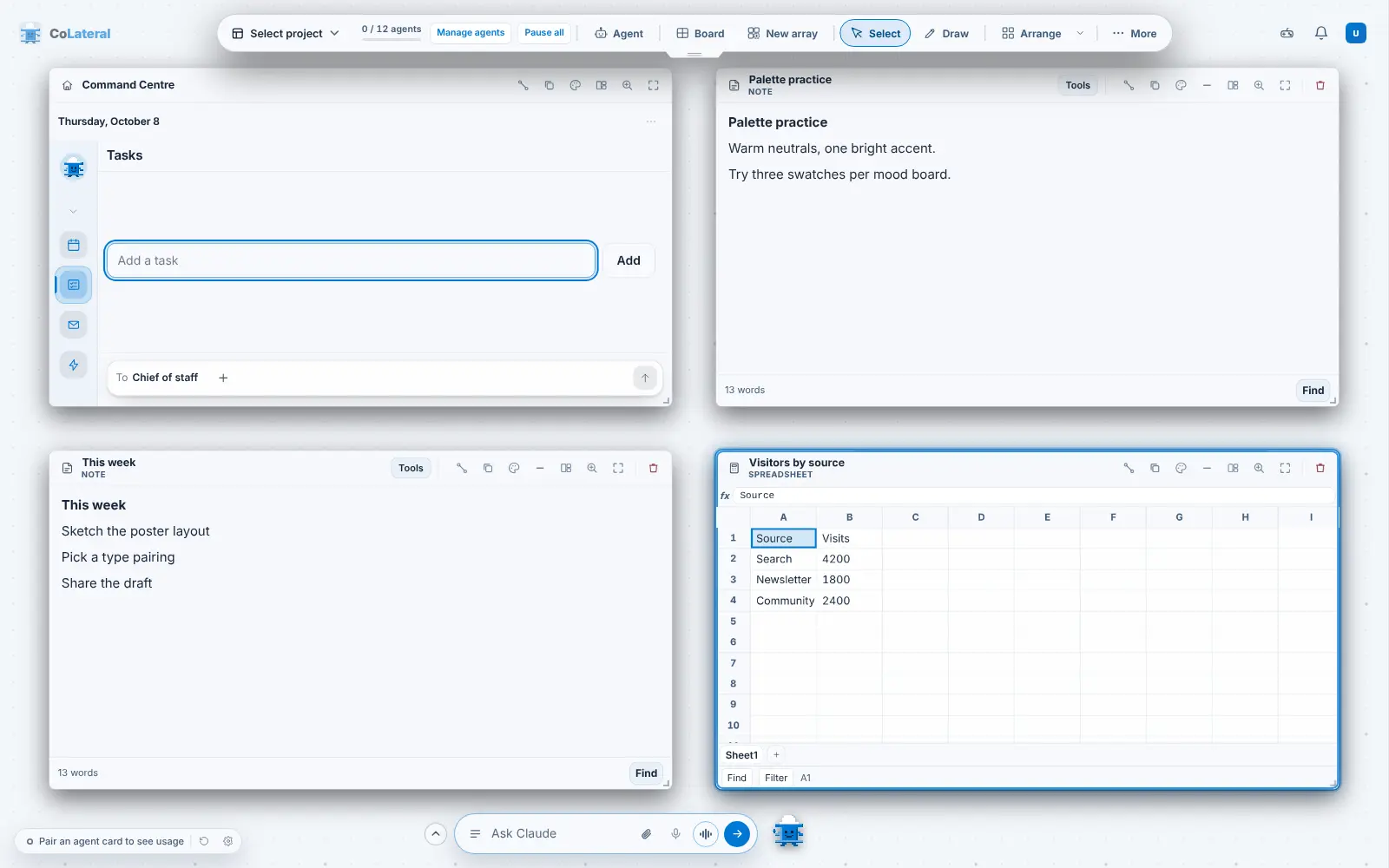
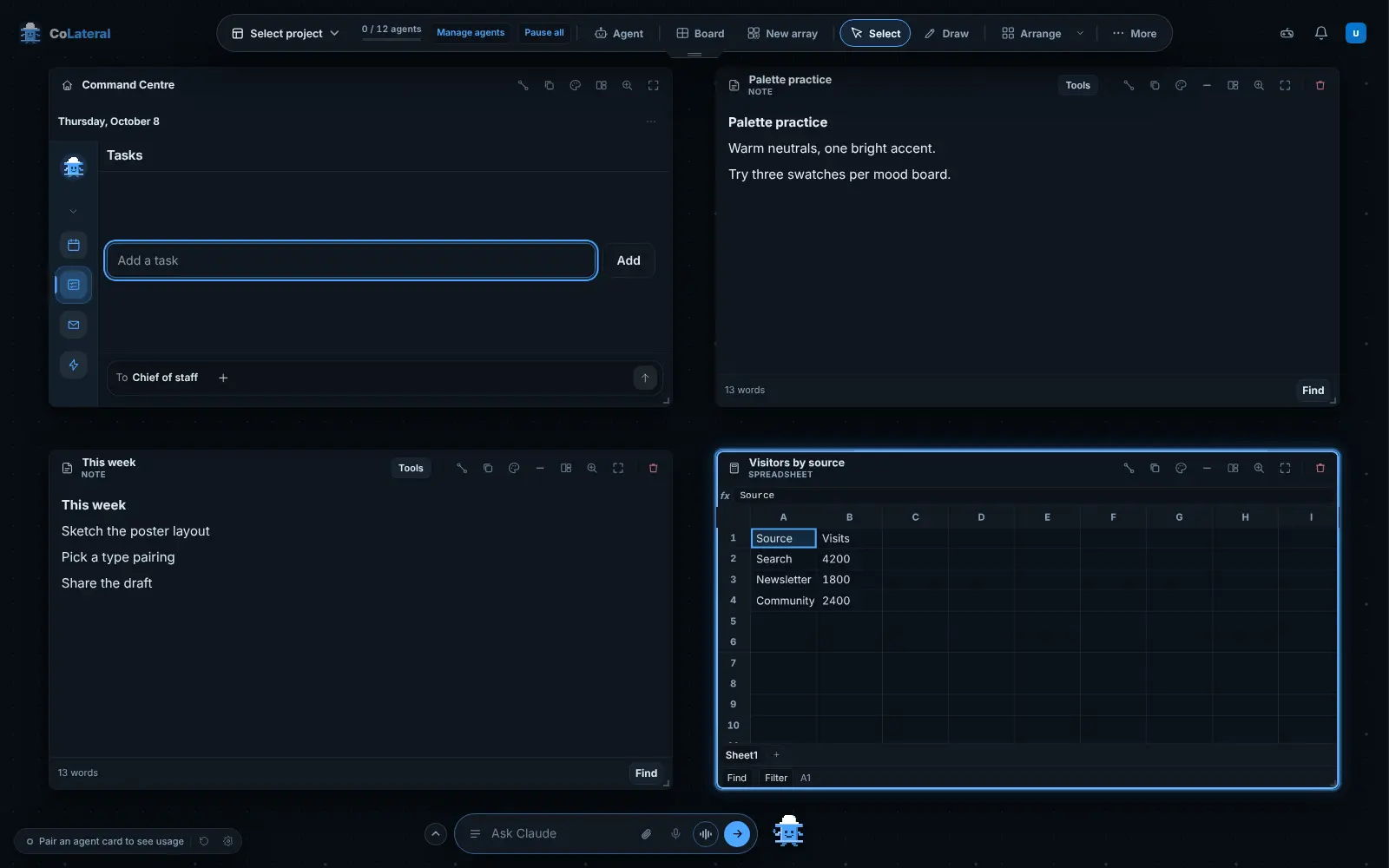
History
See what CoLateral looked like from 2025 to today: real captures of the Project Canvas and website at July, August, September and October 2026 commits.
History
How CoLateral went from a tool dashboard to the Project Canvas on 2026-06-29, then added Agent Cards and Terminal Cards for Claude Code and Codex on 2026-07-02.
History
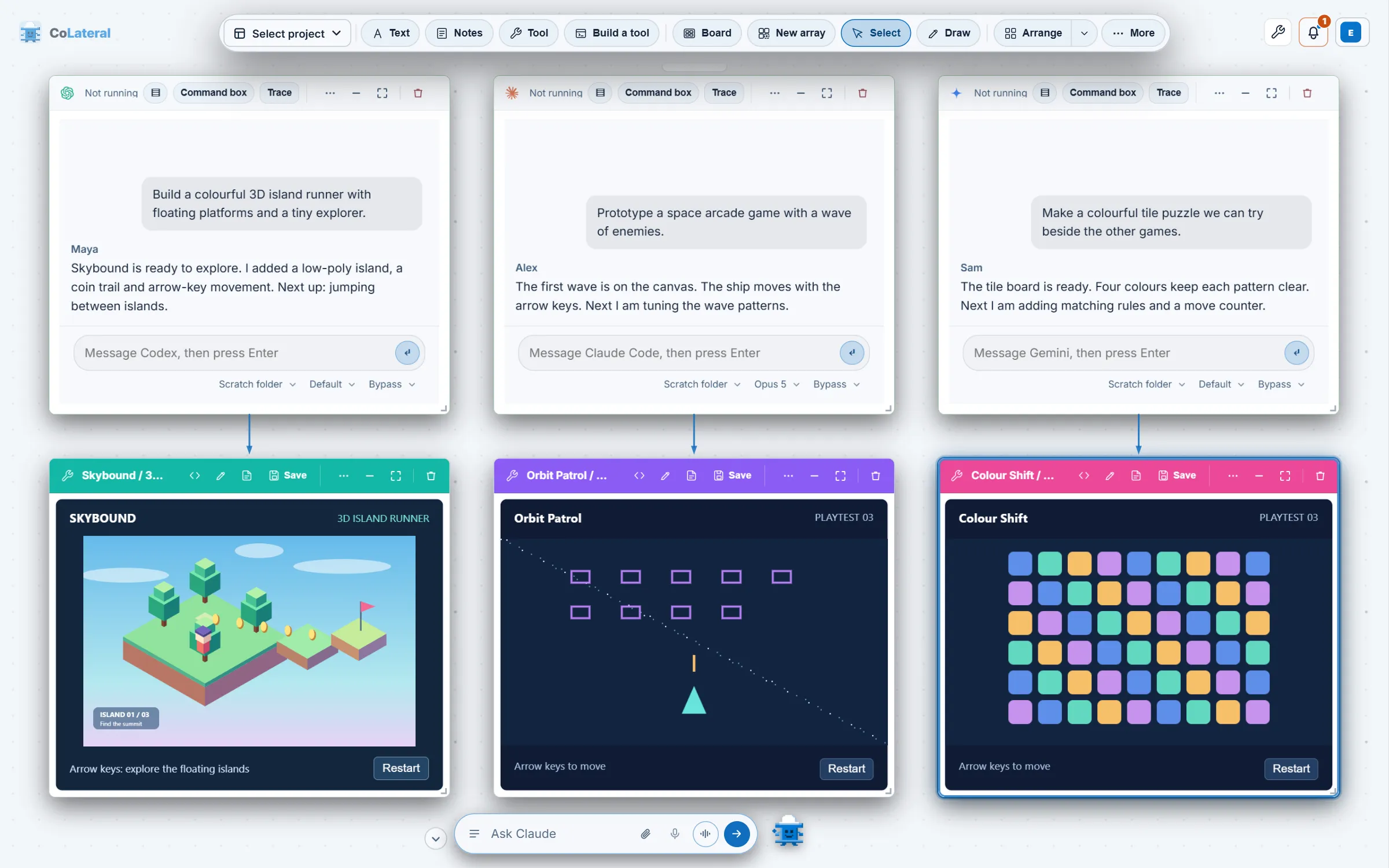
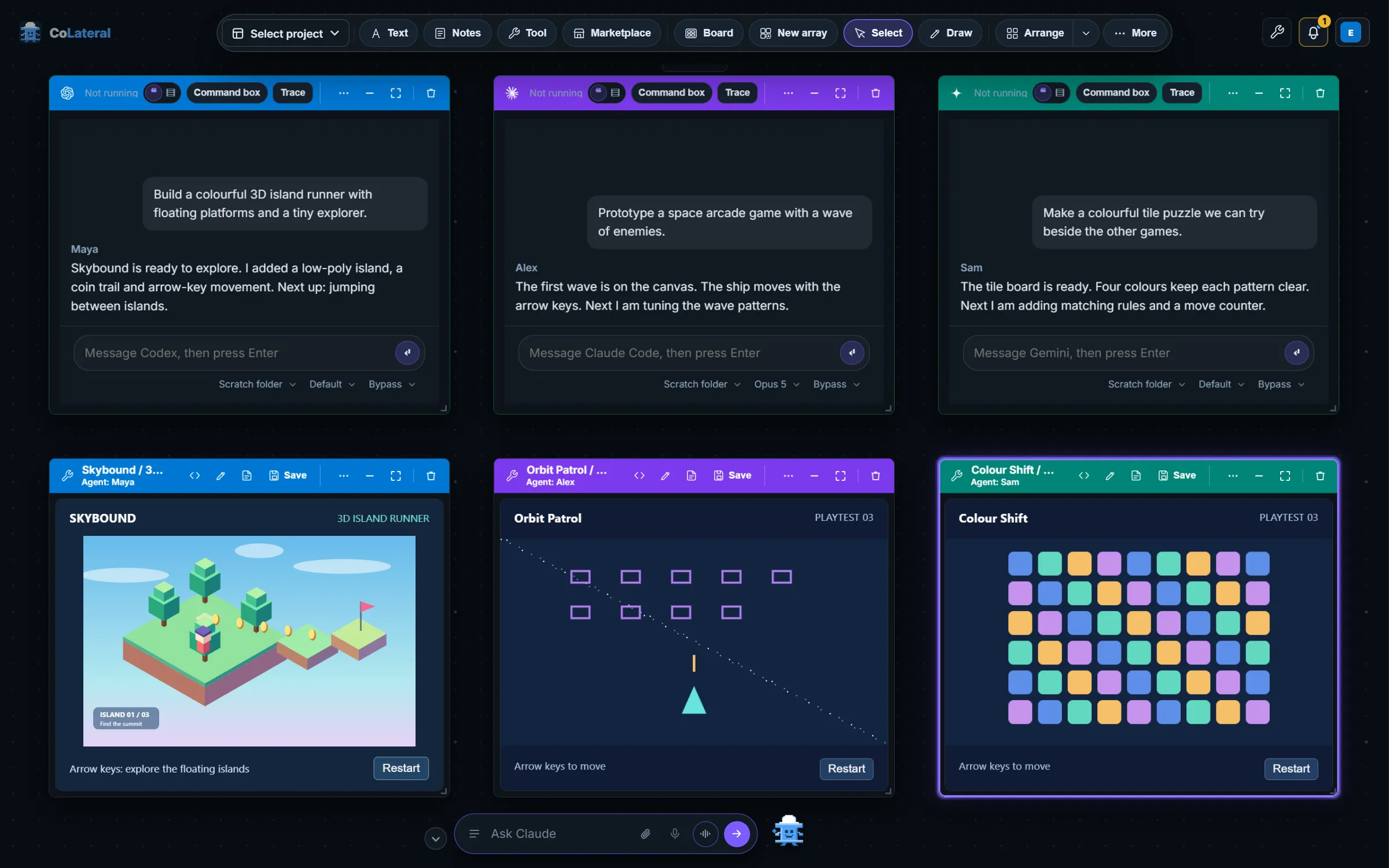
How CoLateral became an agentic workspace: the filmstrip of card arrays on 2026-08-12, the Command Centre and chief of staff, more agents, packs and a store.
History
The history of CoLateral from its first commit on 2025-09-29 to October 2026: tool dashboard, Project Canvas, Tauri desktop app and agentic workspace.
Founder notes
CoLateral is built with AI coding agents in parallel: one task per agent and branch, an Integration Agent that lands the work, and scheduled bug-hunt loops.
Models and agents
How CoLateral's model chip and picker follow new Claude Opus, Sonnet, Fable, Grok and Codex releases, and why the app now reads model names from your CLI.
Product updates
The CoLateral blog is the written record of the all-in-one agentic workspace: release notes, history, AI model updates, expansion packs and founder notes.
Models and agents
How CoLateral's bottom-bar AI orchestrator, Command Centre and chief of staff came together in 2026, what each does, and how they run your own agents.
Models and agents
How CoLateral runs Claude Code and OpenAI Codex side by side as Terminal Cards on your own accounts, how Codex joined in July 2026, and why the design works.
Founder notes
Why CoLateral is a one-time licence: the whole workspace is bought once, AI usage is billed by your own provider, and only optional modules recur.
Founder notes
CoLateral supplies no model credits. Agents run on your own Claude Code or Codex login or API key, and your provider bills you. Here is the reasoning.
CoLateral is a desktop workspace where your files, notes, tools and AI agents share one canvas. Connect your own provider account when an agent needs one, and see how it fits your work.